“My team drowns in manual busywork”
Order Entry Without the Retyping: ~$14K a Month of Staff Time Returned
Built an order-entry pipeline that reads four customer file formats and produces ERP-ready files, plus an AI art director for hang-tag photography, for a 40-year New York apparel manufacturer.

“We've always done it this way, and honestly it works. It just takes eight people.”
Who they are
Rene Rofe is a 40-year-old, family-owned wholesale apparel manufacturer in New York, with roughly 100 employees. It is a successful business that grew up before software: when we arrived there was no automation of any kind, and an eight-person group spent its days keying orders in by hand.
The company’s own description of the situation was not that anything was broken. Nothing was: the orders went out, correctly, every day. It simply took eight people to do it.
What was going wrong
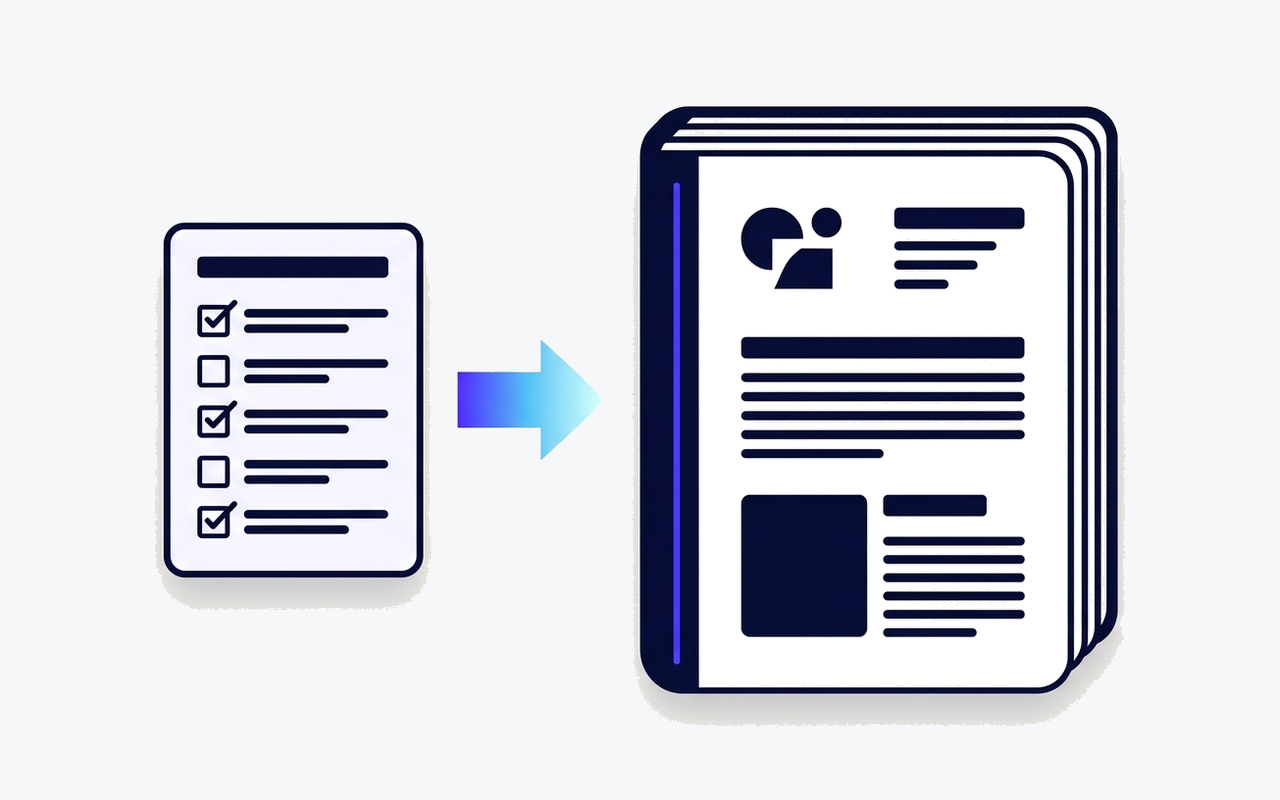
Every customer order passed through four teams before it reached the ERP. A salesperson reformatted it, the eight-person data-entry group keyed it in, and an analyst assembled the load file line by line. One salesperson estimated she spent half her day processing orders instead of selling.
The problem compounded on the product side. Every new garment required a physical photo shoot before it could go to market, a recurring cost the CEO once put in the hundreds of thousands of dollars a year. Launches waited on imagery.
Neither problem was a technology failure. Both were the cost of doing skilled work by hand, at a volume that had quietly outgrown the people doing it.
What we built
After two on-site visits to watch the work actually happen, we built two systems.
The first is a parsing engine that reads all four of the customer order formats and produces the exact file the ERP needs. Formats it has not seen before fall back to an AI parser rather than failing, and the small number of genuine exceptions route to a review dashboard where a person decides. Nothing silently guesses.
The second is an AI art director for hang-tag photography. Upload a garment, choose the model, and it returns roughly 50 composite images — real photographed models with the garment applied digitally — with the strongest automatically shortlisted. A studio app lets the firm’s own art director approve before anything ships, so editorial judgment stays with the person who has it.
What happened
Order entry went into production about three months after kickoff, to what the team described as glowing reviews. The hang-tag studio app went live roughly three weeks after its own kickoff.
The order-entry pipeline is estimated to return up to ~$14,000 a month — about $170,000 a year — in salesperson and data-entry time, with payback modeled inside two months. That figure is an estimate derived from how long the tasks were taking, not a banked result.
The hang-tag tool is saving $15,000 a quarter against physical photo shoots. With imagery no longer holding up a launch, sales on new-item releases are up 25%.
Four further opportunities are mapped and queued, including capturing a retiring manager’s 26 years of product knowledge across 30,000 SKUs before it walks out the door.